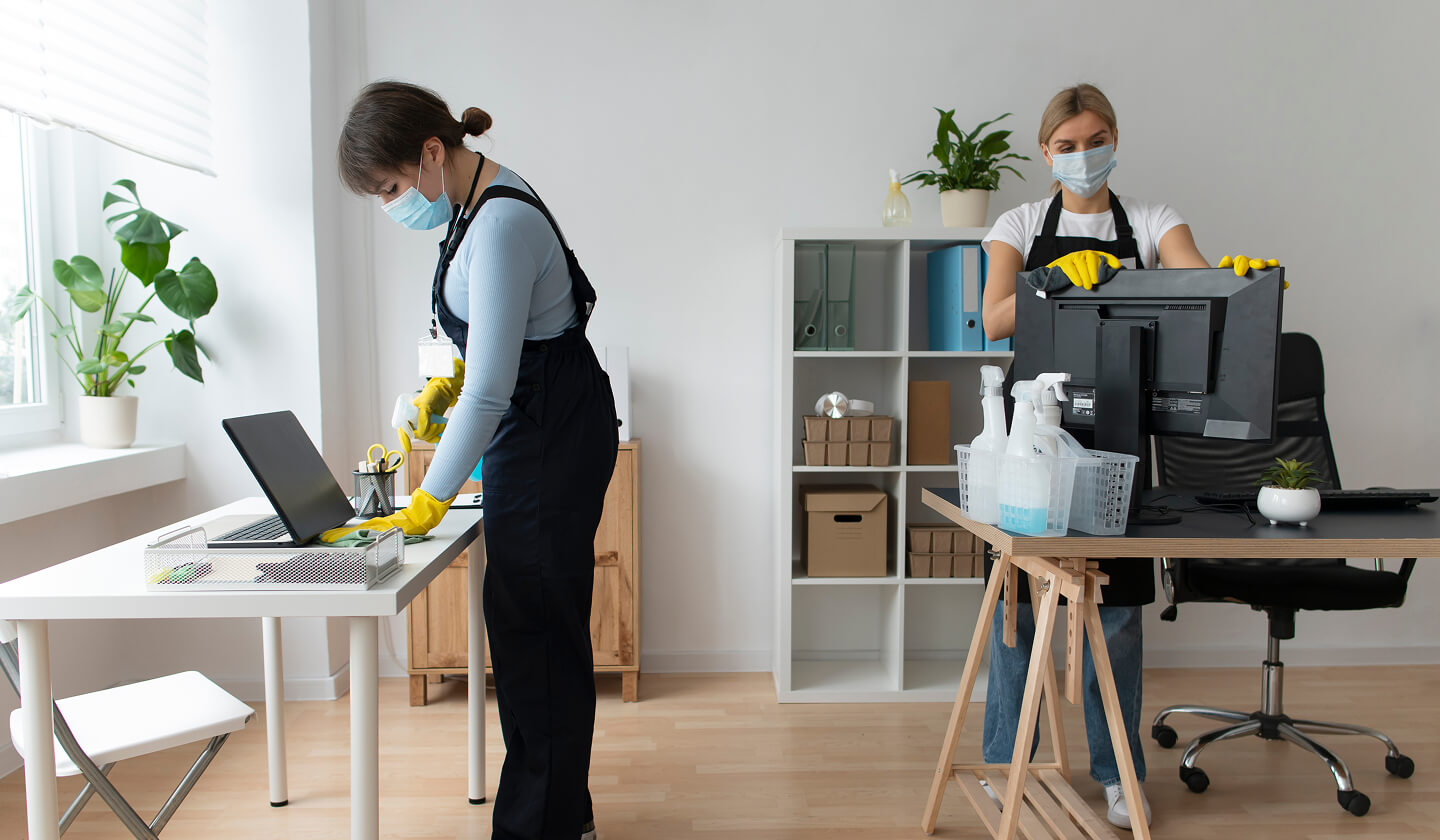
Health and Safety Policy for Belgravia Cleaners
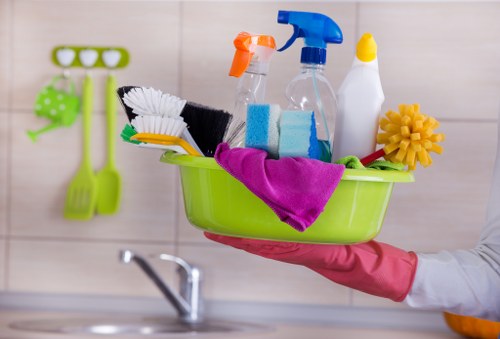 Belgravia Cleaners is committed to maintaining a safe, healthy, and well-managed working environment for employees, clients, contractors, and any other people who may be affected by our activities. This health and safety policy sets out the principles we follow to prevent injury, reduce risk, and promote responsible working practices across all cleaning operations. It applies to routine office cleaning, domestic cleaning, specialist tasks, equipment handling, and the use of cleaning substances.
Our approach is based on prevention, awareness, and accountability. We believe that effective cleaning safety depends on planning tasks carefully, using the correct methods, and making sure every team member understands their responsibilities. All work should be carried out in a manner that protects people, property, and the environment. This includes paying attention to slip risks, exposure to chemicals, manual handling, and the safe movement of equipment.
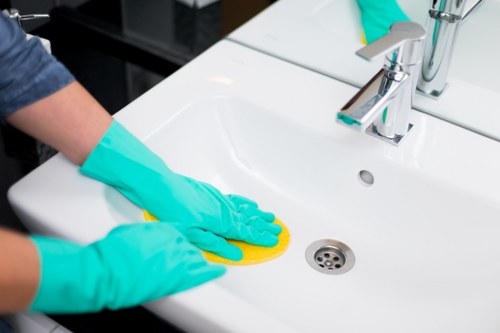 We expect every worker to take reasonable care of their own safety and the safety of others. This means following instructions, reporting hazards promptly, using protective equipment correctly, and not carrying out work that they are not trained to perform. Management will support this by providing information, supervision, and access to suitable training. A strong health and safety policy is only effective when everyone contributes to it consistently.
Responsibilities and Safe Working Practices
Managers are responsible for assessing risks, identifying suitable controls, and ensuring that the workplace remains as safe as reasonably practicable. They must provide appropriate equipment, maintain clear procedures, and review practices whenever changes occur. Workers are expected to cooperate with these measures and to raise any concern that could affect safe performance. Good cleaning health and safety management depends on clear communication and consistent follow-through.
Before starting any job, staff should consider the area being cleaned, the condition of the surface, the presence of people nearby, and any special hazards such as wet floors, broken items, restricted access, or electrical equipment. Warning signs should be used where needed, and work should be organised so that routes remain clear. Particular care must be taken when moving between tasks, especially where floors may become slippery or where items have been placed temporarily in walkways.
 The correct use of cleaning products is essential. Staff must read labels, follow dilution instructions, and avoid mixing substances unless expressly permitted by the manufacturer. Undiluted chemicals, unsuitable combinations, and poor storage can create serious risks. Protective gloves, aprons, eye protection, or other suitable equipment should be worn when required. Containers must be clearly labelled and stored securely to prevent accidental contact or misuse. Any spill should be isolated and cleaned promptly using appropriate procedures.
Training, Equipment, and Risk Control
Training is a key part of our cleaning company safety approach. All staff should receive instruction on safe lifting, handling equipment, product use, emergency arrangements, and the correct response to incidents. Refresher training should be provided when processes change or when a need for additional support is identified. Supervision is also important, particularly for new starters or those completing unfamiliar tasks.
Equipment must be selected, maintained, and used in a way that reduces the chance of injury. This includes vacuum cleaners, mops, cloths, spray devices, and any machinery used for specialist tasks. Before use, workers should check that equipment is in good condition and remove anything that appears damaged or unsafe. If a fault is found, the item should be taken out of service until repaired or replaced. Safe storage after use helps to keep work areas tidy and prevents unnecessary accidents.
Manual handling should be kept under control by planning lifts carefully, using suitable aids, and avoiding awkward twisting or excessive carrying. Where possible, heavier items should be split into smaller loads or moved with assistance. Staff should be encouraged to stop and reassess if a task feels unsafe. This practical cleaning safety policy supports a culture where hazards are reported early rather than ignored.
 Emergency arrangements must be understood by all relevant personnel. In the event of an accident, injury, chemical exposure, fire, or other urgent issue, staff should stop work if it is safe to do so and follow the agreed response procedure. First aid supplies should be accessible where required, and incidents must be recorded and reviewed so that lessons can be learned. Near misses should also be reported, as they often reveal weaknesses before harm occurs.
We are committed to reviewing this policy regularly and updating our controls when required. Changes in equipment, products, work patterns, or staffing levels may create new risks that need to be managed. Belgravia Cleaners will continue to monitor performance, investigate concerns, and take corrective action where needed. A proactive health and safety policy for cleaners helps protect people, improve standards, and support reliable service delivery.
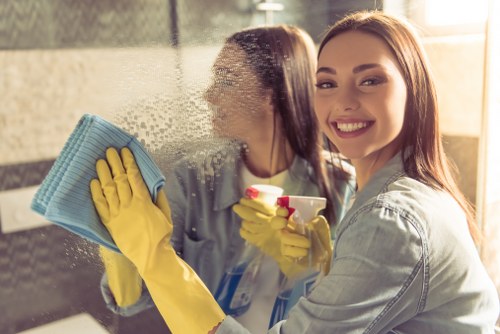 Every person working on behalf of Belgravia Cleaners is expected to help maintain safe conditions at all times. Safety is part of professional conduct, not an optional extra. By following sensible procedures, using the right tools, and respecting the risks involved in cleaning work, we can create an environment that is efficient, responsible, and safer for everyone involved.