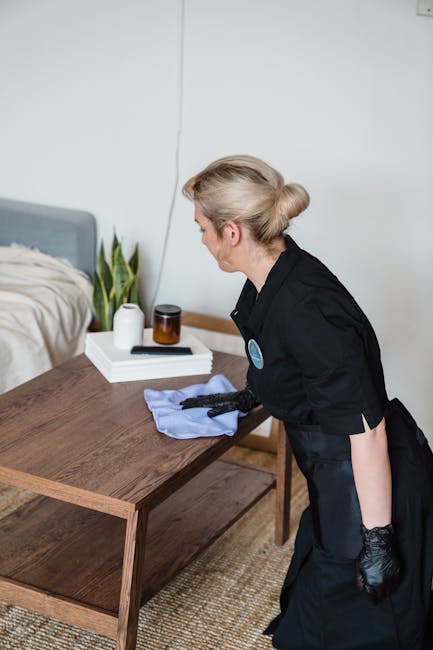
Ebury Street end of tenancy cleaning what to know
If you are moving out of a flat or house on Ebury Street, end of tenancy cleaning can feel like one more thing on a long and slightly chaotic list. Boxes everywhere, keys to hand back, deposit on the line, and suddenly the kitchen looks twice as greasy as it did last week. That is exactly why understanding Ebury Street end of tenancy cleaning what to know matters before you leave. In simple terms, it is the deep, move-out clean that helps the property look as close as possible to the condition expected at check-out, subject to fair wear and tear. Done well, it can reduce friction with the landlord or letting agent and make the handover much smoother.
In this guide, you will find what the service includes, how it usually works, what tenants often miss, and how to judge whether you should clean yourself or book professionals. Let's face it, a rushed clean with a half-empty spray bottle rarely ends well.
For a broader overview of the service itself, you may also find it useful to read about end of tenancy cleaning, alongside related services such as deep cleaning and one-off cleaning when the property needs an especially thorough reset.
Table of Contents
- Why Ebury Street end of tenancy cleaning what to know Matters
- How Ebury Street end of tenancy cleaning what to know Works
- Key Benefits and Practical Advantages
- Who This Is For and When It Makes Sense
- Step-by-Step Guidance
- Expert Tips for Better Results
- Common Mistakes to Avoid
- Tools, Resources and Recommendations
- Law, Compliance, Standards, or Best Practice
- Options, Methods, or Comparison Table
- Case Study or Real-World Example
- Practical Checklist
- Conclusion
- Frequently Asked Questions
Why Ebury Street end of tenancy cleaning what to know Matters
Ebury Street is a prime central London location, and properties there are often expected to be returned in tidy, carefully maintained condition. That does not mean spotless in the museum sense. It does mean clean, presentable, and free from avoidable dirt, grease, limescale, hair, crumbs, and stale smells. The main reason this matters is simple: your deposit.
In many tenancy agreements, the condition at move-out is assessed against the check-in inventory and an expectation of reasonable cleanliness. If the oven is left baked-on, the bathroom grout is grubby, or the carpets still have visible marks, disputes can happen. Nobody wants a long email chain about skirting boards. Nobody.
There is also a practical angle. Ebury Street homes can be compact, period, high-spec, or all three at once. Tight kitchens, fitted appliances, polished surfaces, and small hallways all mean dirt shows quickly. Even a light layer of dust on dark furniture can stand out under daylight, especially in the morning.
Another reason to pay attention is timing. End of tenancy cleaning usually happens after most belongings are removed, which creates the illusion that it will be quick. It rarely is. Once the space is empty, you can see the real condition: the oven door you had stopped noticing, the limescale behind taps, the marks behind radiators, the dust on top of cupboards. Empty rooms tell the truth rather loudly.
For tenants, landlords, and agents, the goal is not perfection for its own sake. It is to remove the kind of dirt that is likely to be flagged at inspection. That is the real point of knowing what to expect.
How Ebury Street end of tenancy cleaning what to know Works
End of tenancy cleaning is usually a top-to-bottom clean of the entire property, carried out after the tenant has moved their belongings out. It is more detailed than a standard domestic clean and more structured than a quick freshen-up. Think of it as a final reset before inventory check-out, not just a tidy.
A proper service normally covers the kitchen, bathrooms, living spaces, bedrooms, hallways, internal glass, accessible fixtures, and often appliances. In some homes, it may also include internal windows, inside cupboards, and attention to neglected areas like behind radiators or around switch plates. The exact scope depends on the property and the agreement, so it is wise to check what is included before booking.
A common workflow looks like this:
- Initial assessment - the cleaner or company reviews the size, condition, and layout of the property.
- Task planning - priorities are set, usually starting with kitchen grease, bathrooms, dust, and floors.
- Detailed cleaning - surfaces, fixtures, appliances, and hidden areas are cleaned methodically.
- Final finishing - floor care, polishing, and a last inspection for missed marks.
- Optional add-ons - carpet, upholstery, oven, or window cleaning may be arranged where needed.
If the property has specialist surfaces, the method changes slightly. A flat with hardwood floors, for example, needs different treatment from one with fitted carpets. That is where services like hard floor cleaning, carpet cleaning, and window cleaning can make a real difference to the final result.
Truth be told, the best results usually come from treating the clean as a sequence, not a rush. Top surfaces first, then detail work, then floors last. That keeps dust from settling back where you have already cleaned.
Key Benefits and Practical Advantages
The obvious benefit is a cleaner property. The less obvious benefit is peace of mind. When the cleaning is done properly, you can hand over the keys without that nagging feeling that the extractor fan or oven tray will come back to haunt you.
- Better chance of a smooth check-out - a well-cleaned property is less likely to trigger cleaning deductions.
- Stronger first impression - agents and landlords tend to notice the condition of kitchens, bathrooms, and floors immediately.
- Less last-minute stress - moving day is busy enough without scrubbing limescale at 9pm.
- More efficient use of time - professionals can usually cover detail-heavy tasks faster than a tenant juggling packing and removals.
- Targeted cleaning for problem areas - ovens, carpets, upholstery, and windows can be handled where ordinary cleaning falls short.
There is also a satisfaction factor that people do not talk about enough. Walking out of a property with polished taps, fresh-smelling rooms, and floors free from crumbs feels like closing a chapter properly. Small thing, maybe. Still matters.
For households with soft furnishings or stubborn marks, pairing move-out cleaning with upholstery cleaning, sofa cleaning, or rug cleaning can help remove the lingering signs of everyday use.
Who This Is For and When It Makes Sense
This service is for tenants at the end of a tenancy, but that is only the main audience. In practice, it can make sense for anyone handing back a rental property in Ebury Street or nearby Belgravia streets where presentation tends to matter.
You may need it if you are:
- ending a private rental tenancy and want to reduce dispute risk
- leaving a furnished flat with fabric sofas, rugs, or carpets that have seen better days
- moving out of a property with a busy kitchen and heavy appliance use
- short on time because removals, inventory, and key handover are all happening on the same day
- trying to clean a high-spec property to a standard that matches the check-in condition
It also makes sense when the property has a few problem zones rather than being uniformly dirty. Maybe the bedroom is fine, but the oven is a bit embarrassing. Or the bathroom is decent, but the limescale around taps and shower screens is stubborn. In those cases, a targeted clean can be more sensible than trying to do everything alone.
One question worth asking yourself is this: are you cleaning to live there, or cleaning to hand it over? Those are not the same thing. For move-out, detail becomes far more important.
Step-by-Step Guidance
If you want the clean to go smoothly, work in the right order. That sounds obvious, but it saves a lot of backtracking. A bit of planning goes a long way.
- Check the inventory and tenancy notes
Start with the move-in report and any cleaning clauses in the tenancy agreement. Look for mention of appliances, windows, carpets, and professionally cleaned items. - Remove all personal belongings first
Cleaners can only properly reach surfaces once the flat is emptied. Drawers, shelves, under beds, and corners become accessible only after the last box is gone. - Work from top to bottom
Dust ceiling corners, light fittings, and higher shelves first. Then move to surfaces, units, fixtures, and finally floors. - Focus on high-impact rooms
The kitchen and bathroom usually matter most. Grease, food residue, soap scum, and limescale are the classic issue spots. - Clean hidden and forgotten areas
Behind appliances, under sinks, around handles, and on skirting boards. These are the places that get checked when a property is being inspected carefully. - Leave floors until the end
Vacuum or mop once the rest of the room is done. Otherwise, debris from upper surfaces just lands straight back down. A little annoying, but true. - Carry out a slow final inspection
Look at the property as if you were the next person moving in. Open doors, check reflections on glass, and use daylight where possible.
If you are using a professional team, ask what is covered before they start. If an oven, fridge, or carpet needs extra attention, mention it early. That avoids awkward surprises and keeps the work aligned with the actual handover standard.
Expert Tips for Better Results
Here is the part where a few small habits make a surprisingly big difference.
- Clean grease before anything else - kitchens clean up better when you deal with hob splashes and extractor deposits early.
- Use the right cloth for the surface - microfibre is ideal for dust and polishing, while abrasive pads can damage delicate finishes.
- Do not drown every surface in product - more spray does not mean more clean. It often means streaks.
- Open windows if you can - fresh air helps the place dry, especially after bathrooms and kitchen cleaning.
- Watch for sunlight at different times of day - a surface that looks fine in the evening can look noticeably streaky at 10am.
- Keep a separate bag for "final touch" items - bin liners, spare cloths, gloves, and a decent sponge are worth having at hand.
One practical tip from real move-outs: photograph the cleaned rooms once you are done. Not because you expect drama, but because a timestamped record can be handy if a query comes up later. Peace of mind, again.
If the property has recently been refurbished, or if there is dust from decorating work, a more detailed approach may be needed. In those cases, after builders cleaning may be the closer match than a standard move-out clean.
And yes, sometimes the oven is the bit everyone quietly avoids. We have all seen that look.
Common Mistakes to Avoid
Most end of tenancy problems are not dramatic. They are little misses that add up. Here are the ones that come up again and again.
- Leaving the clean until the last evening - tired cleaning is never your friend.
- Forgetting appliances - ovens, fridges, freezers, microwaves, and dishwashers can be overlooked, especially if they are empty.
- Ignoring the inside of cupboards - crumbs and sticky residue are common enough to be noticed quickly.
- Skipping limescale and soap build-up - bathrooms can look visually fine until the light hits the glass screen.
- Using the wrong products on the wrong surfaces - this can leave marks or even damage finishes.
- Not checking the tenancy inventory - if the check-in report mentions a professionally cleaned carpet or oven, that detail matters.
- Cleaning around clutter - if items are still in the property, a full reset is difficult.
A smaller mistake, but one that trips people up: cleaning only where it is visible from the doorway. Inspectors tend to look a little further in. Under the bed. Behind the toilet. Along the tops of door frames. Slightly nosy, yes, but that is the job.
Tools, Resources and Recommendations
You do not need a van full of equipment to do a decent move-out clean, but the right tools help. If you are doing part of the job yourself, keep it simple and effective.
- microfibre cloths for dusting and polishing
- a vacuum cleaner with crevice tools for edges and corners
- a mop suitable for the floor type
- non-abrasive sponges
- limescale remover or a suitable bathroom cleaner
- degreaser for the kitchen
- rubber gloves
- bin bags and spare liners
- a step stool for safer access to high ledges and tops of cupboards
If you would rather hand the job over completely, it helps to choose a company that offers a structured cleaning company service rather than a vague "general clean". That sounds obvious, but not every provider is equally focused on tenancy turnover.
For support around pricing and service planning, the pages on pricing and quotes and terms and conditions are useful places to check what is included and how the service is set out. If you want to understand how a provider handles trust, access, and customer care, take a look at the company's about us information as well.
Law, Compliance, Standards, or Best Practice
For tenants in the UK, the legal and practical backdrop is usually about tenancy agreement terms, fair wear and tear, and the condition recorded in the inventory. The exact wording in your contract matters, so it is worth reading rather than assuming everything is standard. In most cases, the question is not whether a property is immaculate, but whether it has been returned in a reasonably clean condition compared with the start of the tenancy.
That is where best practice comes in. A good move-out clean should be:
- thorough enough to match the inventory condition as closely as possible
- careful with finishes and fixtures
- safe for occupants and cleaners
- documented where helpful, especially if there is a handover or inspection soon after
It is also sensible to work with providers who are clear about safety, insurance, and customer process. A cleaning team that explains its approach to insurance and safety and follows a visible health and safety policy gives you a more trustworthy experience than a fly-by-night outfit with a nice first email and not much else.
There is no magic legal loophole in cleaning. The practical rule is simpler: clean thoroughly, keep records, and know what the tenancy says. That tends to avoid most headaches.
Options, Methods, or Comparison Table
Tenants usually have three realistic choices: do everything yourself, split the work with a partial professional service, or book a full end of tenancy clean. The best option depends on time, budget, and how strict the handover is likely to be.
| Option | Best for | Pros | Trade-offs |
|---|---|---|---|
| DIY clean | Smaller properties, tenants with plenty of time | Lowest upfront cost, full control | Time-consuming, easy to miss detail areas, tiring near move-out |
| Partial professional clean | Homes with one or two problem areas | Targets tough jobs like ovens or carpets | Requires good coordination and some self-cleaning |
| Full end of tenancy clean | Most rentals where a thorough handover is expected | Most efficient, more consistent finish, less stress | Higher upfront cost than doing it yourself |
In a compact Ebury Street flat, a full clean often makes the most sense if the move-out date is tight. In a larger property, a blended approach can work well if you are organised. For example, you might handle packing residue, mirrors, and cupboards yourself while booking specialists for floors or the oven.
If you need help with floors or soft furnishings, services like carpet cleaner support, oven cleaning, or domestic cleaning can be selected as part of a broader handover plan.
Case Study or Real-World Example
Here is a typical situation. A tenant in a one-bedroom Ebury Street flat has two days left before checkout. The living room is tidy enough, but the kitchen has stubborn oven residue, the bathroom glass is cloudy, and the bedroom carpet shows a few marks near the bed. They also have boxes in the hallway, a broken lamp to dispose of, and a moving van booked for the afternoon. Tight timing, as usual.
What works best in a case like that? First, remove everything that is leaving the property. Then focus on the visible high-risk areas: oven, hob, sink, shower screen, taps, skirting boards, and floor edges. After that, deal with the carpet mark and give the whole flat a final vacuum. If time is short, calling in professional help for the kitchen and carpets can prevent the clean from becoming a late-night scramble.
The difference is usually visible in the final inspection. Not because the property becomes showroom-perfect. It does not need to. But because the common friction points are gone: grease, marks, dust, and smells. That is what people notice first.
One landlord may be relaxed; another may look at a single stained patch and ask questions. You never quite know, so it pays to leave less to chance.
Practical Checklist
Use this checklist before handing back the keys:
- all belongings removed from cupboards, drawers, shelves, and wardrobes
- kitchen surfaces degreased and wiped down
- oven, hob, extractor area, and splashback cleaned
- fridge and freezer emptied, defrosted if needed, and cleaned inside
- bathroom taps, tiles, shower screen, and toilet thoroughly cleaned
- mirrors polished and smears removed
- dust removed from skirting boards, door frames, and light switches
- carpets vacuumed and spot-cleaned where possible
- hard floors swept and mopped
- windows, sills, and internal glass wiped down
- bins emptied and liners removed
- final walk-through completed in daylight if possible
- photos taken of the finished rooms
If the property includes fabric furniture or rugs, consider whether it needs specialist treatment from sofa cleaning, rug cleaning, or upholstery cleaning before checkout.
Conclusion
The main thing to know about Ebury Street end of tenancy cleaning what to know is that it is less about perfection and more about returning the property in a clean, fair, and well-presented condition. Focus on the details that tend to matter most: kitchen grease, bathroom build-up, carpets, windows, cupboards, and those easily forgotten edges and corners. If you plan early, clean in the right order, and use help where it genuinely saves time, the move-out process becomes much calmer.
For many tenants, the smartest route is a balanced one: handle the simple tasks yourself, get support for the stubborn jobs, and keep your records in order. That way you are not scrambling on the last night with a sponge in one hand and a moving label in the other. Been there, seen the stress.
Get a free quote today and see how much you can save.
And if you are in the final stretch now, take a breath. A careful clean and a calm handover go a long way.
Frequently Asked Questions
What does end of tenancy cleaning usually include?
It normally includes a detailed clean of the kitchen, bathrooms, floors, surfaces, fixtures, and accessible appliances. Some services also cover internal windows, cupboards, and harder-to-reach areas.
Do I need professional end of tenancy cleaning for Ebury Street flats?
Not always, but it is often helpful if the property is compact, furnished, or in need of a very thorough finish. Professional cleaning can save time and reduce the risk of missing detail areas.
How clean does the property need to be before I hand back the keys?
The property should be returned in a reasonably clean condition, matching the original inventory and allowing for fair wear and tear. The exact expectation depends on your tenancy agreement.
Should I clean before or after moving furniture out?
After, ideally. Once the furniture and boxes are gone, the cleaner can reach skirting boards, corners, floors, and hidden surfaces properly.
Are carpets part of end of tenancy cleaning?
They can be, but not always as standard. If carpets have marks, heavy use, or obvious dirt, a dedicated carpet service may be needed alongside the main clean.
What if the oven is badly dirty?
That is one of the most common problem areas. A deep oven clean is often worth booking separately if there is baked-on grease or carbonised residue.
Can I do the cleaning myself and still get my deposit back?
Yes, if the result meets the expected standard. The key is thoroughness, attention to detail, and checking the property against the inventory before checkout.
How far in advance should I arrange the clean?
As early as you can once your move date is fixed. Last-minute bookings are possible in some cases, but they add pressure and limit flexibility.
What areas do tenants most often forget?
Common misses include tops of cupboards, behind appliances, inside bins, light switches, skirting boards, shower screens, and the space under sinks.
Is end of tenancy cleaning the same as deep cleaning?
They overlap, but they are not identical. End of tenancy cleaning is specifically aimed at move-out standards and check-out expectations, while deep cleaning can apply to many other situations too.
What should I check before booking a cleaning company?
Look at what is included, whether there are add-ons for carpets or ovens, and how the company handles safety, payment, and terms. Useful background pages include payment and security and privacy policy.
What happens if the landlord says the clean is not good enough?
Start by comparing the property condition with the inventory and your photos. If there is a genuine issue, it is usually best to address it quickly and calmly rather than letting the matter drag on.
Why does Ebury Street move-out cleaning need extra care?
Central London rentals often have higher presentation standards, and small imperfections show quickly in well-lit rooms. A careful, detail-led clean is usually the safest approach.
Can I combine end of tenancy cleaning with other services?
Yes. Many tenants combine it with window cleaning, carpet treatment, oven cleaning, or even a broader house cleaning style service depending on the property.